 Locked Lessons
Home › Guides › Grammar-stage literature
Teaching guide
Grammar-stage literature: books for grades 3–6 and how to check reading
The grammar stage, roughly grades 3 to 6 on this site, is when children soak up stories, names and words with an ease that older students envy. It is the time to fill their memories with good books, and the challenge for the adult is to check that the reading is going in without turning every chapter into a comprehension test. This guide suggests books that have lasted and some light ways to check them.
What makes a good grammar-stage book
Look for a strong story, characters a child will remember, and language a little richer than everyday speech. Older books often have all three. They also feed later study: a child who knows Robin Hood and King Arthur will find medieval literature familiar, and one who knows Aesop will recognise fables wherever they turn up.
Books that have lasted
- Aesop's Fables: short stories with a moral, ideal for retelling and copywork.
- Kenneth Grahame's The Wind in the Willows: Mole, Rat, Badger and the reckless Toad, in prose that rewards reading aloud.
- Howard Pyle's The Merry Adventures of Robin Hood and The Story of King Arthur and His Knights, told in a deliberately old-fashioned style that children enjoy once they hear it.
- Lewis Carroll's Alice's Adventures in Wonderland, full of wordplay and nonsense logic.
- Johanna Spyri's Heidi, Anna Sewell's Black Beauty and Frances Hodgson Burnett's The Secret Garden, three books about children, animals and places that change the people in them.
- Carlo Collodi's The Adventures of Pinocchio, stranger and sharper than its film versions.
Alongside these sit the myths, in the Greek gods and Greek heroes rooms, and C. S. Lewis's Chronicles of Narnia for children at the older end of the stage. The full list is on the classics page.
Read aloud or alone?
Both. Children in the grammar stage can usually understand far harder books than they can read fluently on their own, so reading aloud lets them meet Grahame or Pyle at full strength. Independent reading builds stamina. Many families do both: a demanding book read aloud, and an easier one read alone.
Checking reading without spoiling the book
The gentlest check is narration: after a chapter, ask the child to tell it back in their own words. You will hear quickly what they followed and what they missed. A few spoken questions about who and why, a drawing of a scene, or a line of copywork from the chapter all work too.
An escape room is a good check at the end of a longer stretch. Each book on the site is split into sections of a few chapters, with a room for each. The locks ask for names, places and events from the section: a crossword, scrambled names, a coded message, matching characters to what they do, making pairs, an odd one out and a final clue. It feels like a game, but it only opens for a child who has read and remembered.
A sample fortnight
A simple plan for one book might run like this. On the first day, read the opening chapter aloud and talk about the people in it. On the following days, read a chapter or two a day, aloud or alone, with a short narration after each. Keep a list of characters on the fridge or the board and add to it as they appear. At the end of the section, do the escape room, then talk about the final answer and why it fits. Begin the next section the following week.
This keeps the book moving at a steady pace, gives the child a clear goal every week or so, and leaves plenty of time for simply enjoying the story. With younger children, keep reading aloud for longer than you think you need to: listening to a book well above their own reading level is one of the best ways for them to grow into it.
A note on abridged versions
Many children first meet these books in shortened retellings, and that is fine. The rooms, though, follow the books section by section, so a heavily abridged version may leave out characters or events a room asks about. If your child is reading a retelling, try a lock or two yourself first.
Getting started
Pick one book your child is reading now, open the room for the section they have just finished, and let them try it. Every room has free taster locks that anyone can try with a class, with no sign-up. Members get all seven locks of every room and a private class link to share.
Rooms to try
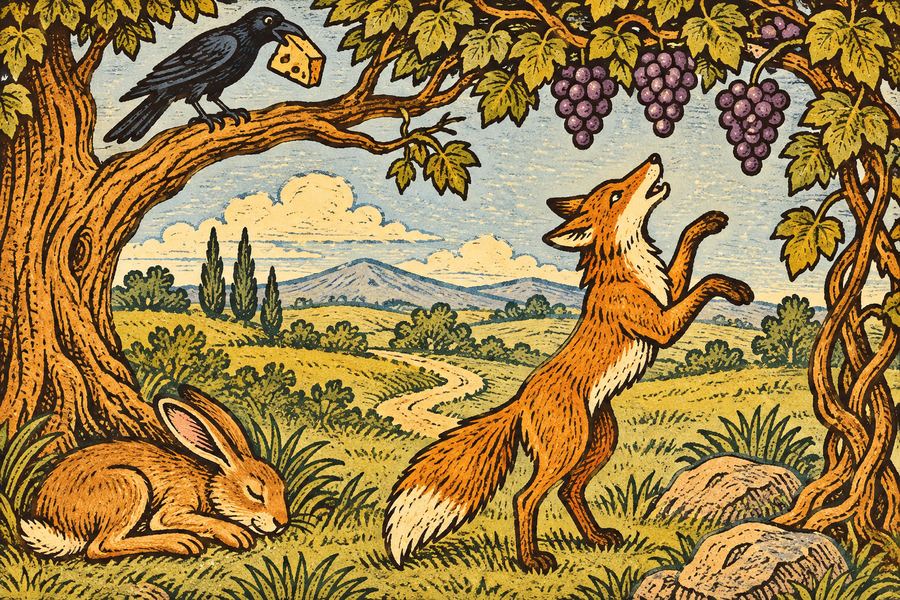 Aesop's Fables · Clever and Foolish AnimalsThe Fox's TricksFree taster
 The Wind in the Willows · Chapters 1–3Down by the RiverFree taster
 The Merry Adventures of Robin Hood · Prologue and Part 1Outlaw of SherwoodFree taster
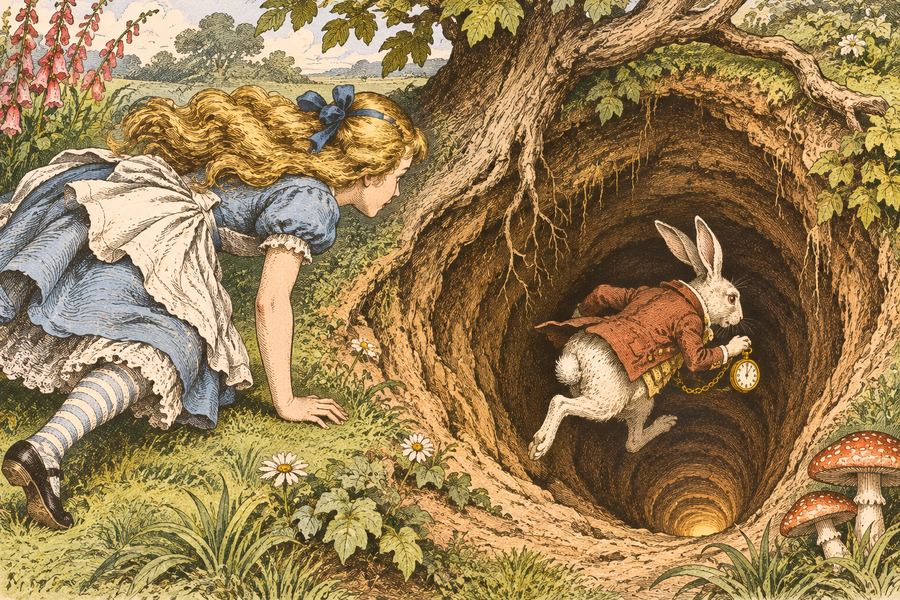 Alice's Adventures in Wonderland · Chapters 1–3The Little DoorFree taster
 Heidi · Chapters 1–5Up the MountainFree taster
 The Secret Garden · Chapters 1–5Across the MoorFree taster
Questions
What ages is the grammar stage?
Schemes vary, but on this site grammar-stage books are for grades 3–6. Younger children can enjoy many of the same books read aloud.
How do I check reading comprehension in the grammar stage?
Narration is the simplest check: ask the child to retell the chapter in their own words. Short spoken questions, drawings and copywork help too, and an escape room at the end of each section gives a clear, self-checking test of recall.
Do the rooms work with any edition?
Yes. They ask about characters, places and events in their own words, so any complete edition works. A heavily abridged retelling may leave out things a room asks about.