 Locked Lessons
Home › Guides › Logic-stage literature
Teaching guide
Logic-stage literature for grades 6–9
Somewhere around grade 6 children start to argue. In the classical tradition this is the logic stage, and the books for it should give them something to argue about: characters whose motives are mixed, choices with consequences, and stories that can be read more than one way. This guide suggests books for grades 6 to 9 and the kinds of questions that turn reading into reasoning.
What changes in the logic stage
Grammar-stage readers want to know what happened. Logic-stage readers can be asked why it happened, whether it had to, and what a character should have done instead. Cause and effect, comparison, and evidence from the text become the heart of discussion. The books can be longer and more complicated, with narrators who do not know everything and heroes who are not simply good.
Books for grades 6–9
- Robert Louis Stevenson's Treasure Island and Kidnapped: adventure, with Long John Silver and Alan Breck as charming, untrustworthy companions.
- Daniel Defoe's Robinson Crusoe, a long account of survival and self-examination.
- Mark Twain's The Adventures of Tom Sawyer and Charles Dickens's A Christmas Carol.
- L. M. Montgomery's Anne of Green Gables and Jack London's The Call of the Wild, two very different stories of a newcomer finding a place.
- Beowulf and Sir Gawain and the Green Knight in translation, and Jules Verne's Twenty Thousand Leagues Under the Sea.
The legends of early Rome, Homer from about grade 7, and the gentler Shakespeare comedies towards grade 8 and 9 fit this stage too. See the classics page for every book.
Questions that suit the logic stage
Good logic-stage questions have more than one defensible answer and send students back to the text. Is Silver Jim's friend or his enemy, and when does the answer change? What exactly changes Scrooge, and could any one of the spirits have done it alone? Is Buck's return to the wild a loss or a homecoming? Is Gawain's failure a small one or a serious one? Ask students to answer with evidence: a scene, an event, something a character does.
Pacing longer books
Logic-stage books vary a great deal in length. A Christmas Carol can be read in a week or two; Robinson Crusoe or Twenty Thousand Leagues may take most of a term. Set a steady pace, a few chapters a week, with a clear checkpoint at the end of each section, and keep at least one shorter book in the year so that students have the satisfaction of finishing quickly. Reading aloud the first chapters of a long book together often carries a class over its slowest stretch.
Older language and older attitudes
Books written a century or more ago use words and show attitudes that are now offensive, especially about race; Twain's books and Robinson Crusoe are obvious examples. Read ahead, decide how you will handle it, and talk with students before they meet it. Logic-stage readers can discuss why a book was written as it was, and what it shows about its time, without either ignoring the problem or abandoning the book.
Writing in the logic stage
Logic-stage writing should practise argument on a small scale. Instead of a book report, ask for a paragraph that makes one claim and supports it with two pieces of evidence from the book: Jim Hawkins is braver at the end than at the beginning; Anne's mistakes make her more likeable, not less. Teach students to state the claim first, give the evidence, and explain how the evidence supports it. Short, frequent pieces of this kind do more than a single long essay, and they prepare students for the longer writing of the rhetoric stage. A class discussion before writing helps students test their claims against other readers before they commit them to paper.
Where escape rooms help
Each book on the site is split into sections, with a self-checking room for each. Most of the locks check recall: names, places and events. The odd-one-out lock is the logic-stage one: in each row, students must find the character, place or event that does not belong, which means working out what the others have in common. After a room, ask students to defend one of their odd-one-out answers aloud; it is a short exercise in giving reasons.
Rooms on books in translation, such as Beowulf and Gawain, quote no translation, so any version works.
Getting started
Choose the book your class is reading and use the room for each section as it is finished, or work through all of a book's rooms as review before an essay. Every room has free taster locks that anyone can try with a class, with no sign-up. Members get all seven locks of every room and a private class link to share.
Rooms to try
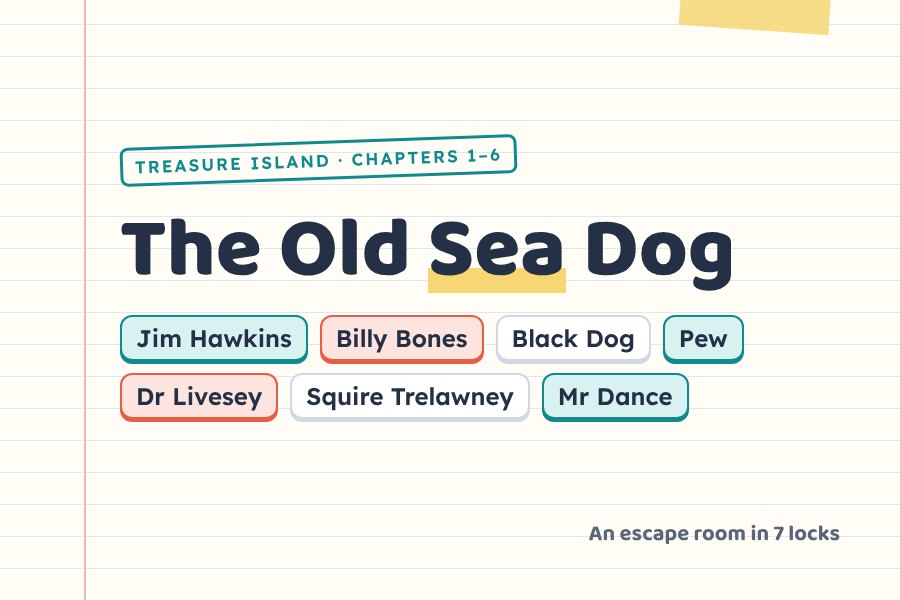 Treasure Island · Chapters 1–6The Old Sea DogFree taster
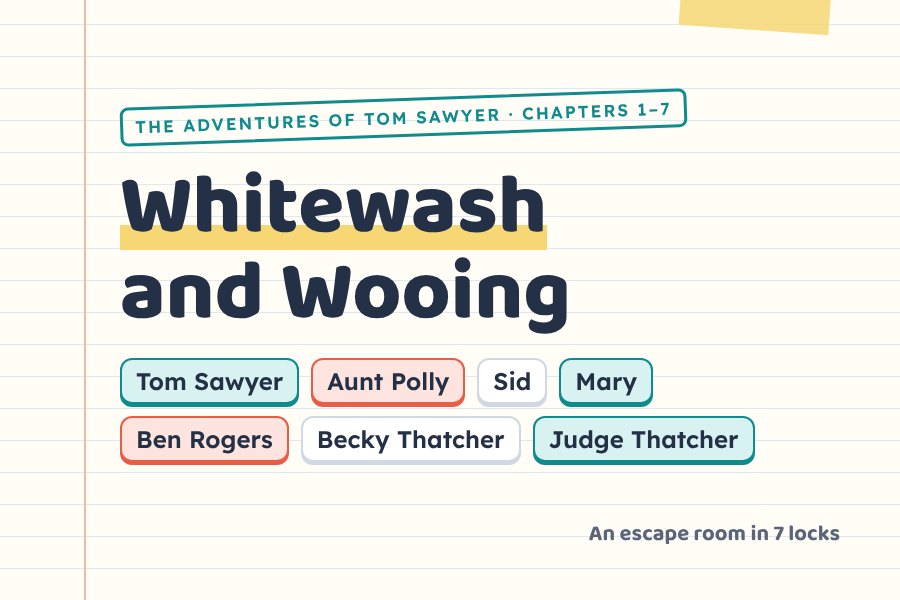 The Adventures of Tom Sawyer · Chapters 1–7Whitewash and WooingFree taster
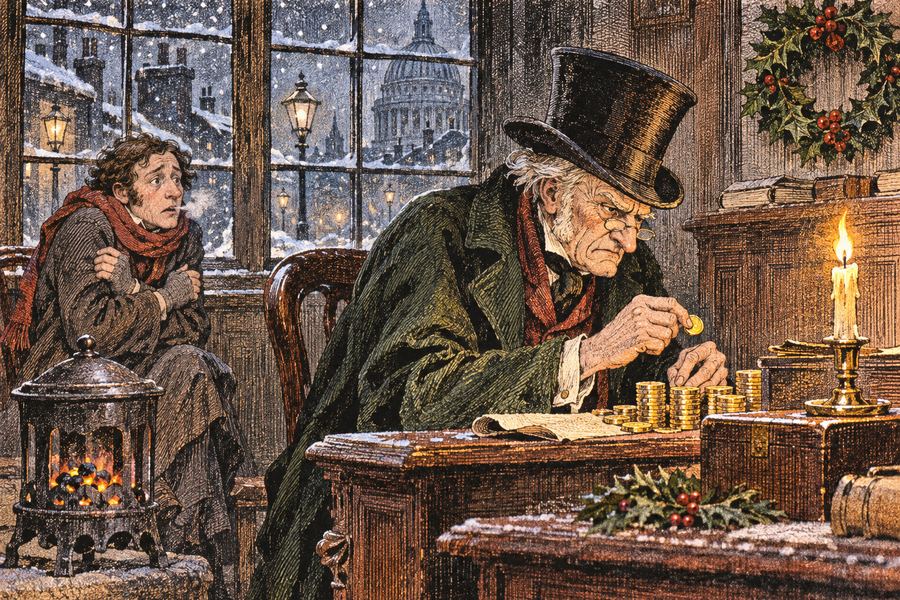 A Christmas Carol · Stave 1The Heavy ChainFree taster
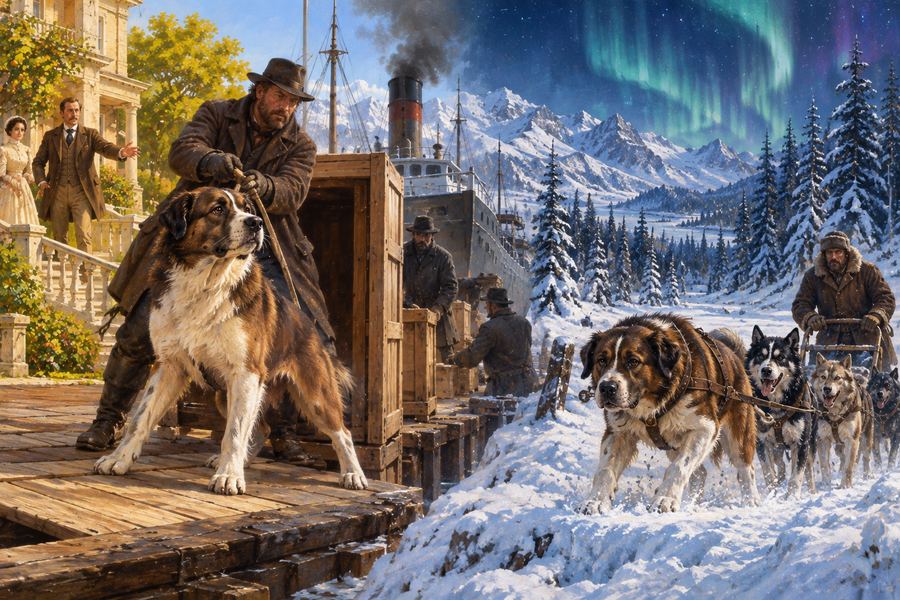 The Call of the Wild · Chapters 1–2Stolen from the SouthFree taster
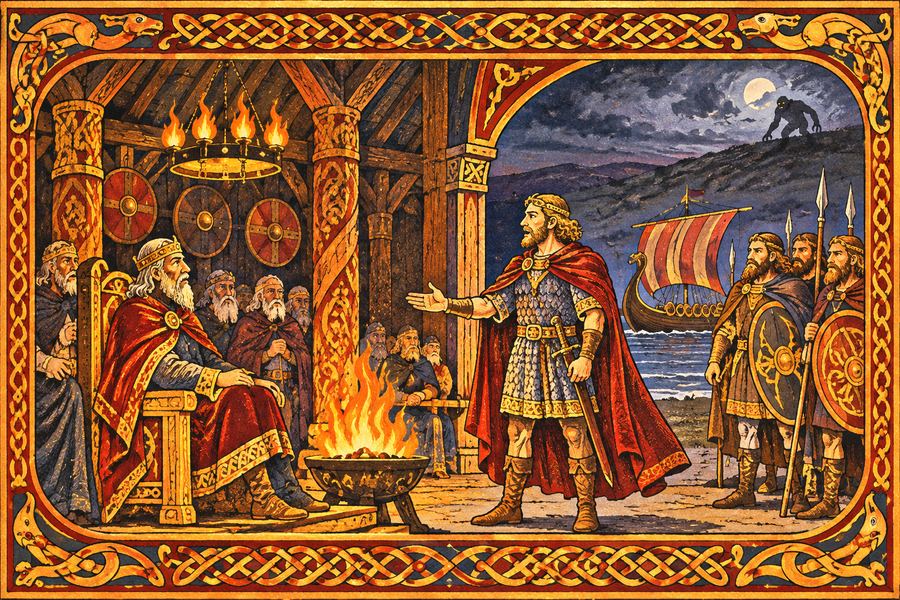 Beowulf · Beowulf and GrendelTerror at HeorotFree taster
 Sir Gawain and the Green Knight · Fitt 1The Christmas GameFree taster
Questions
What is the logic stage?
In the classical model it is the middle stage, roughly the middle-school years, when students begin to reason, argue and ask why. On this site logic-stage books are for grades 6–9.
Which translation of Beowulf or Sir Gawain do the rooms use?
Any. The rooms on translated books ask about characters, places and events in their own words and quote no translation.
Are these books too hard for grade 6?
Some are demanding: Robinson Crusoe is long, and Kidnapped has a good deal of Scots. Reading the first chapters aloud together often carries students into a book they would not finish alone.